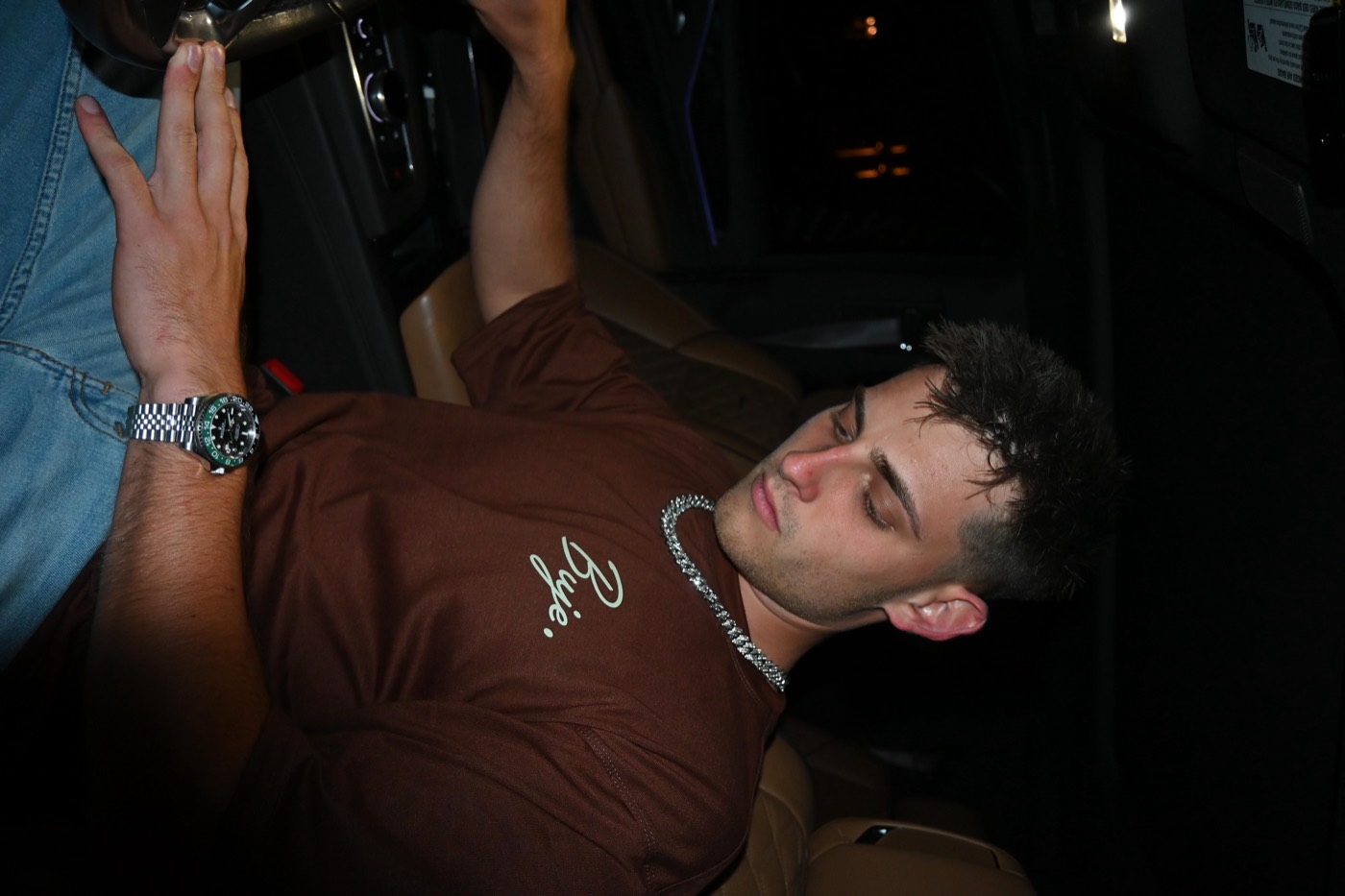
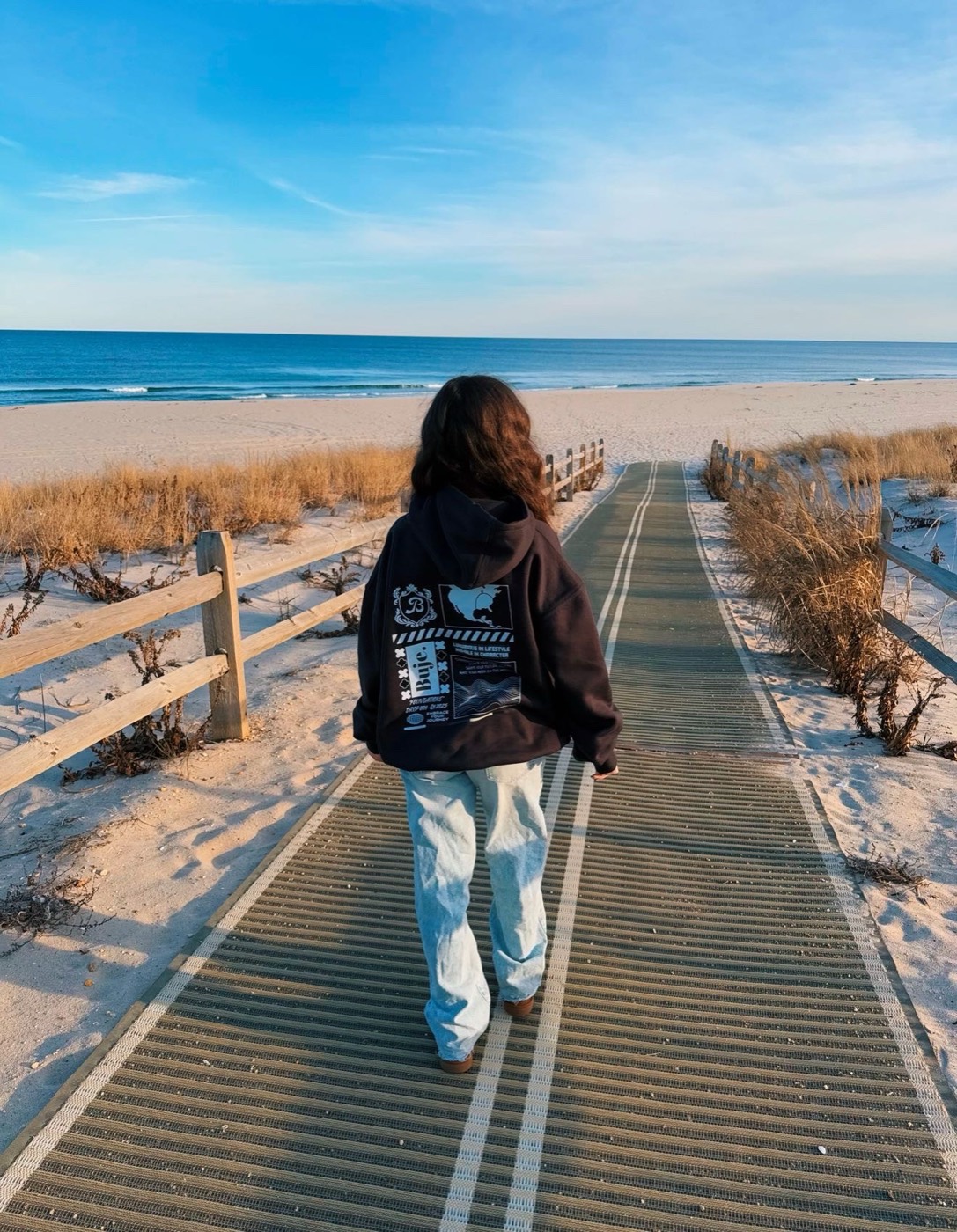
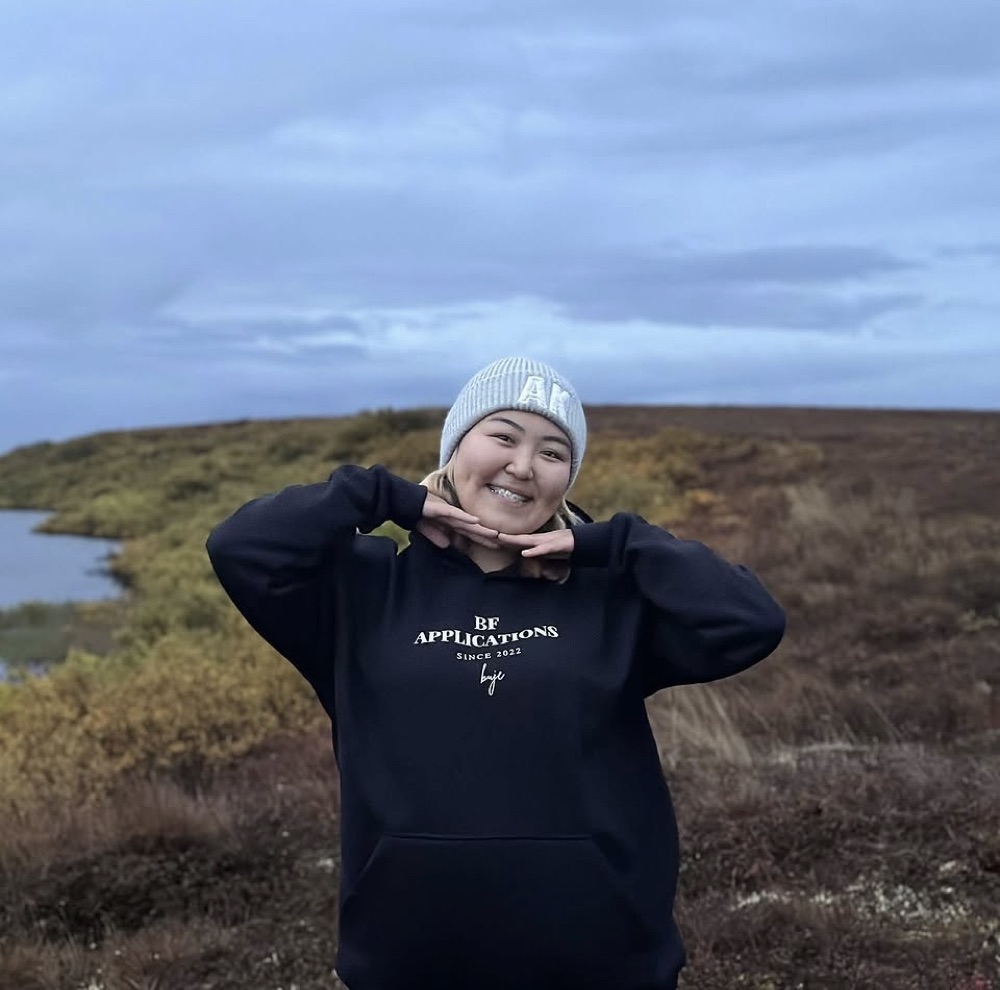
Bujewear was always about expression. It started as a joke, a BF GF application of all things, and somewhere in there it became real. That little idea turned into an actual brand faster than I expected.
I spent months getting the product right before I ever put it in front of anyone. The fit had to be right. The fabric had to hold. I talked directly to suppliers, went through samples, rejected things that were close but not there yet. That patience was new for me, I am someone who moves fast, but the product taught me to slow down in the right places.
Then came the real work. Shipping orders, figuring out the pricing and the marketing, finding ways to keep improving and mock up new designs fast. I did it alongside designers, artists, and the followers themselves, all of us figuring out what people actually wanted and were drawn to. The more you let your community build it with you, the better it gets.
“The businesses that hold up are the ones where you actually understand every part of them.”
The shoots were something I will always remember. Booking photographers, finding talent, directing looks on set. I had never done any of that before. By the end I had a system for it. That kind of learning does not come from a course. It comes from doing it wrong the first time and fixing it the second.
I ran the numbers every week. Margins, inventory cost, cost per acquisition. The boring stuff that nobody posts about. But it is the part that keeps the whole thing alive. Bujewear taught me that a brand without a grip on its numbers is just a look, not a business.
I eventually wound it down, not because it failed, but because I had taken it as far as I wanted to on my own, and the next chapter was BUJE. Everything I learned there lives in how I think about building now.
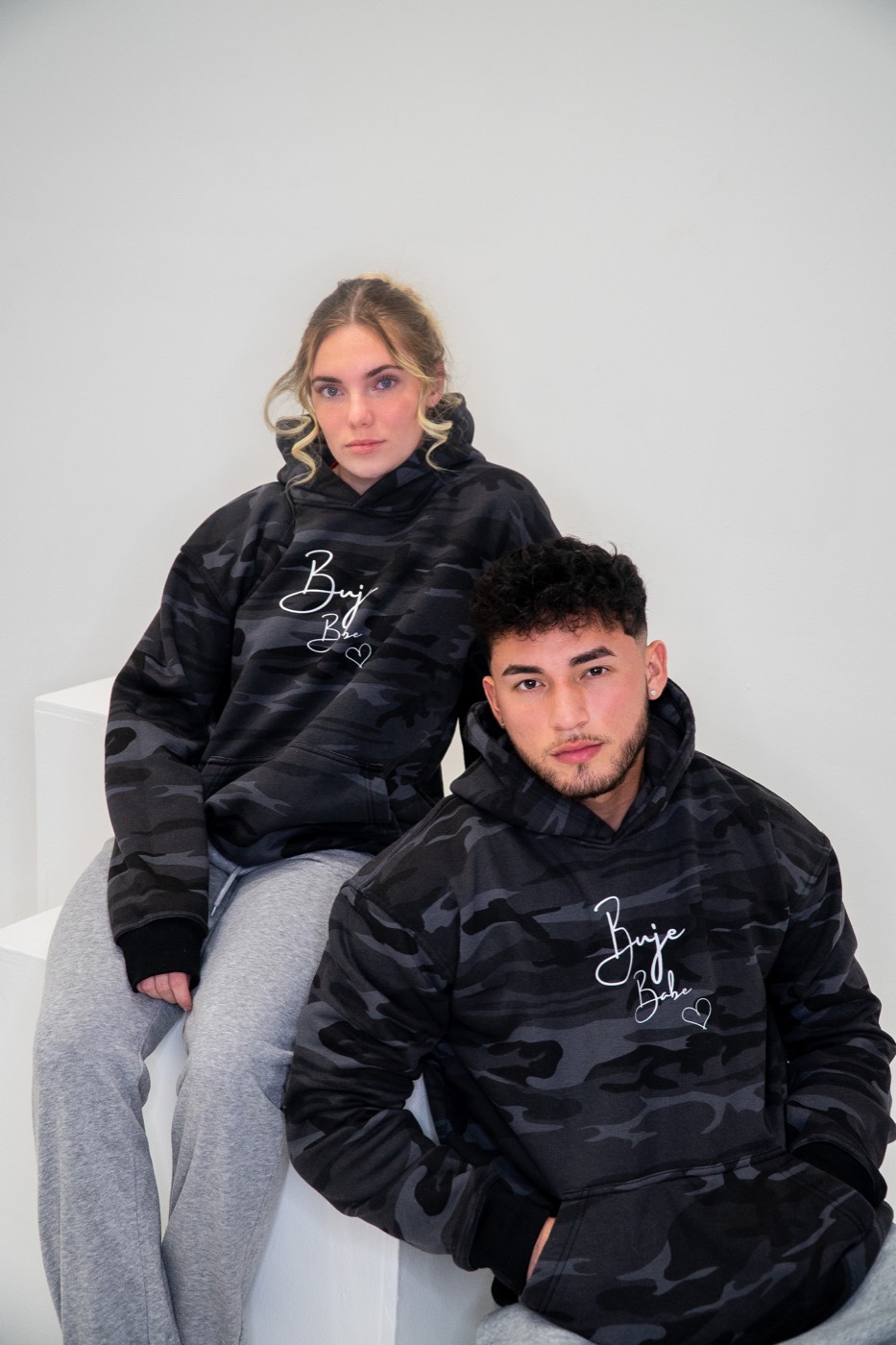
Shot by @av_photos123
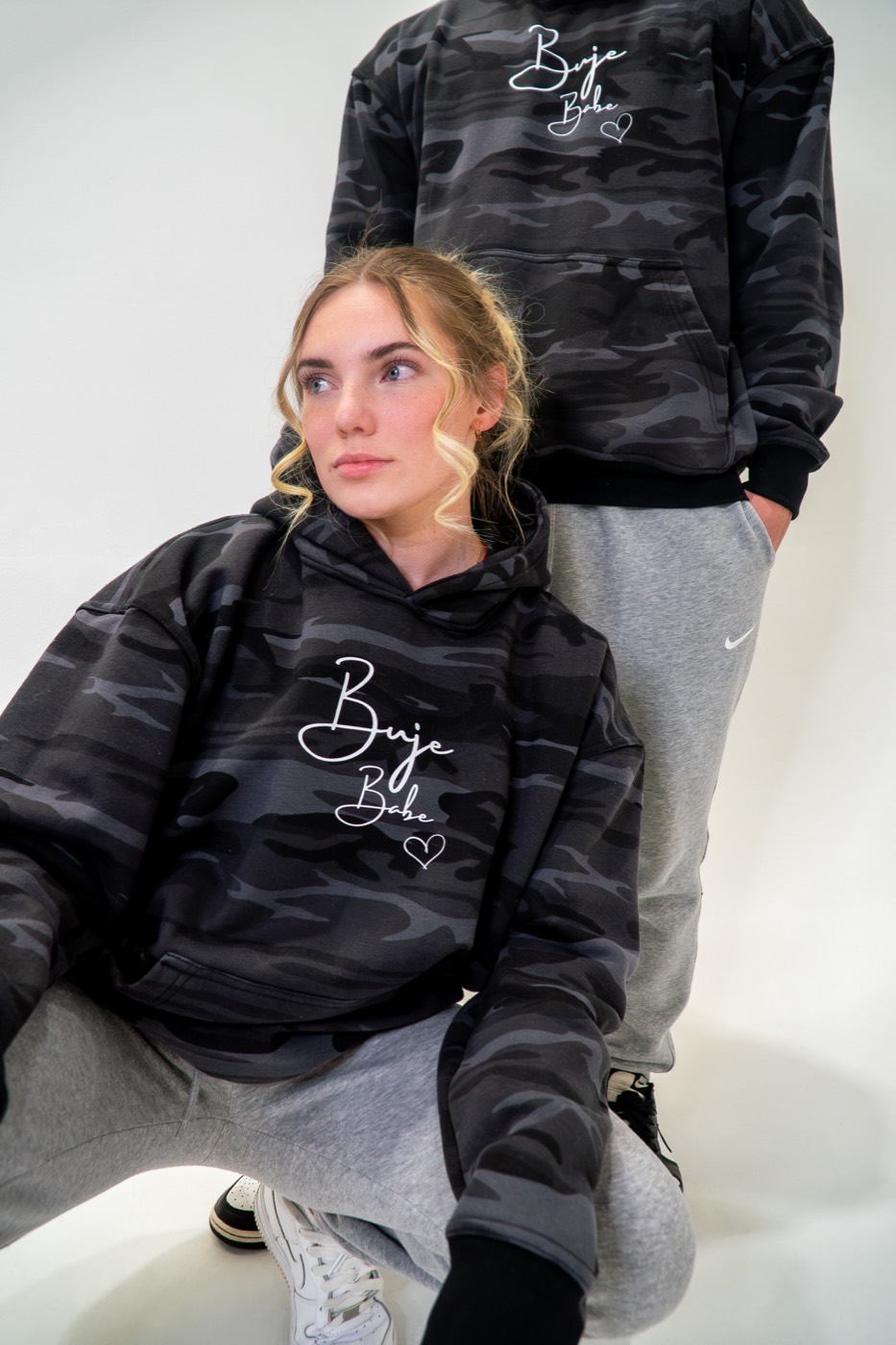
Shot by @av_photos123
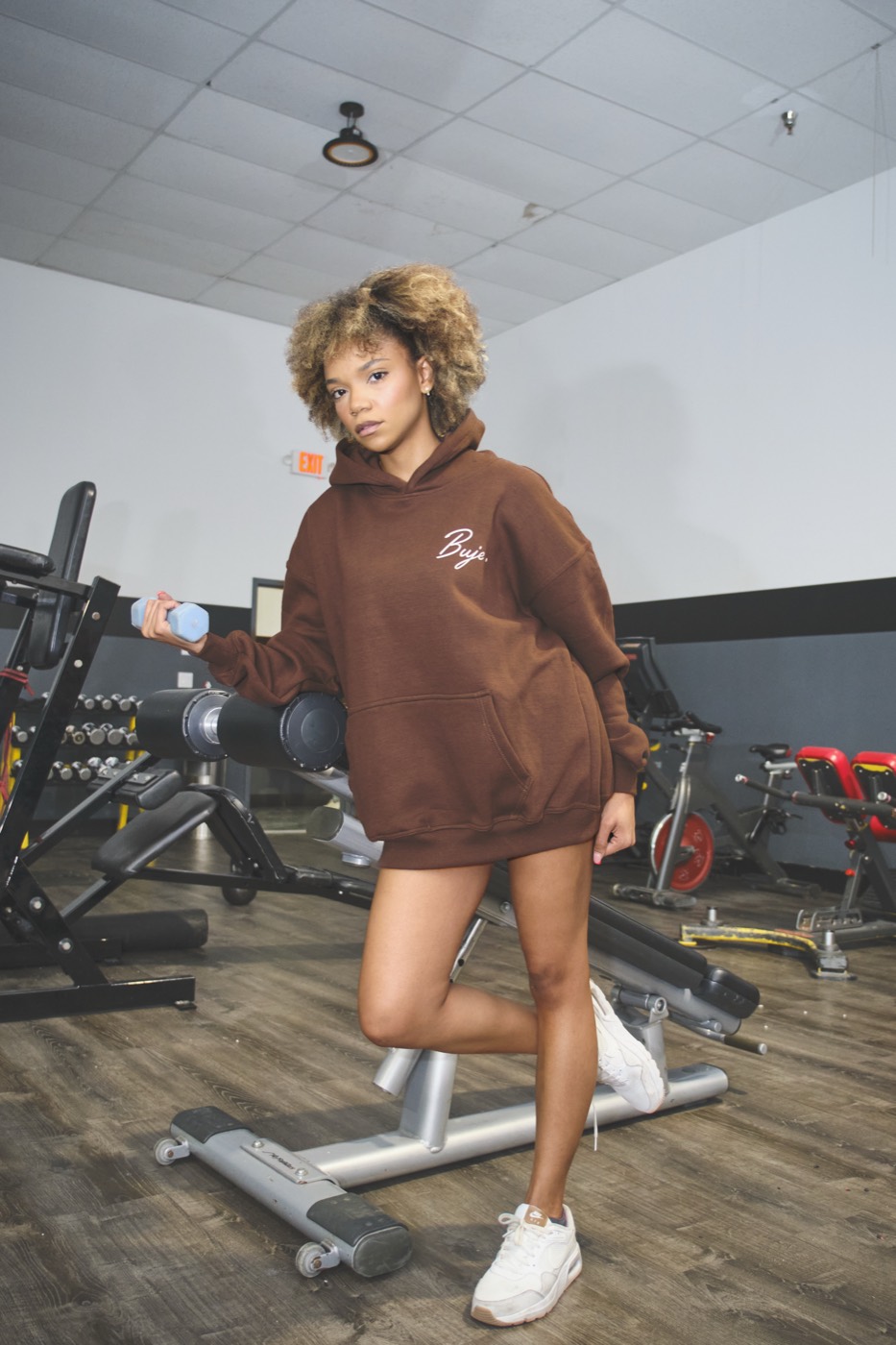
Shot by @sv_media_co
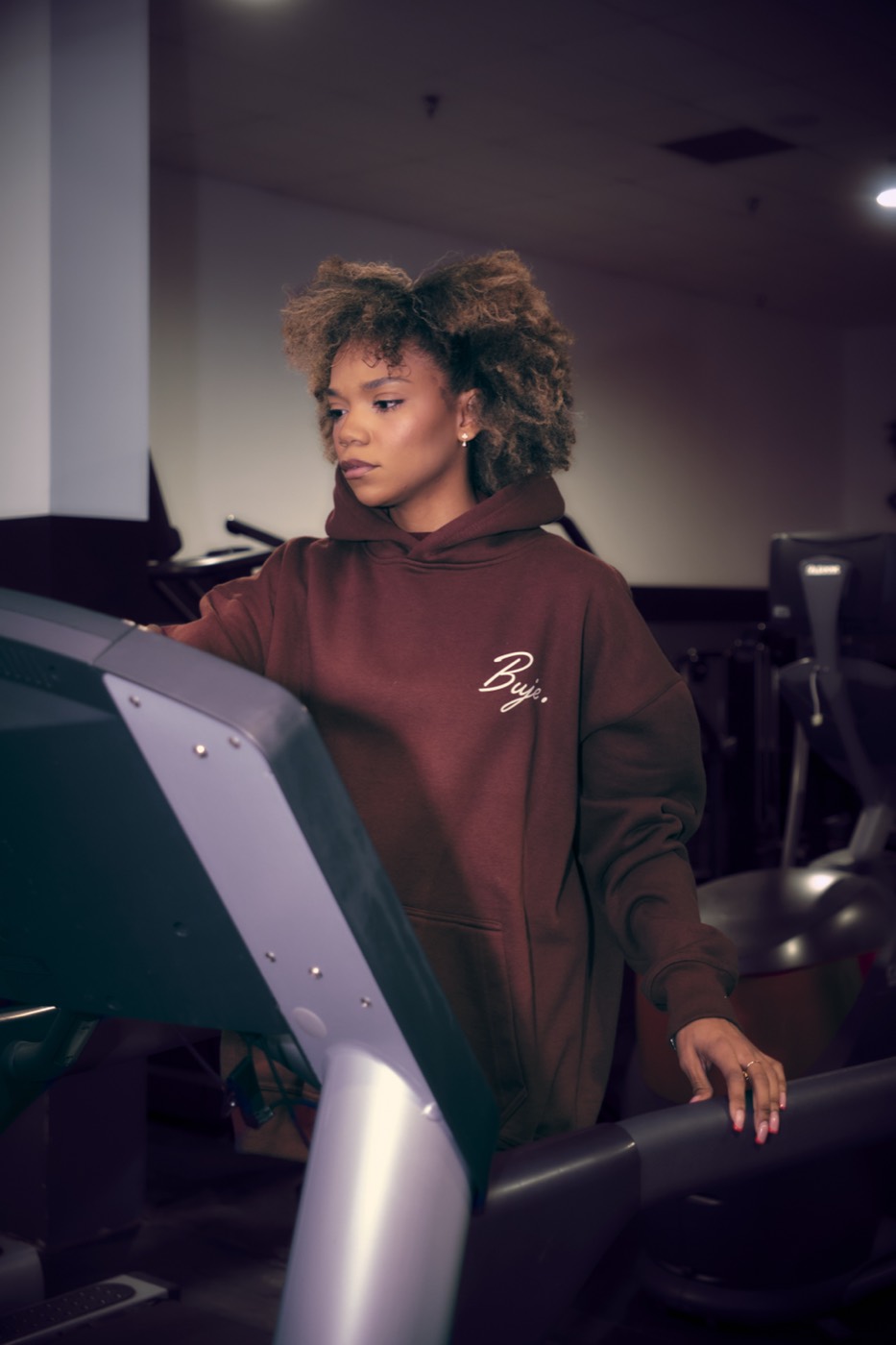
Shot by @sv_media_co
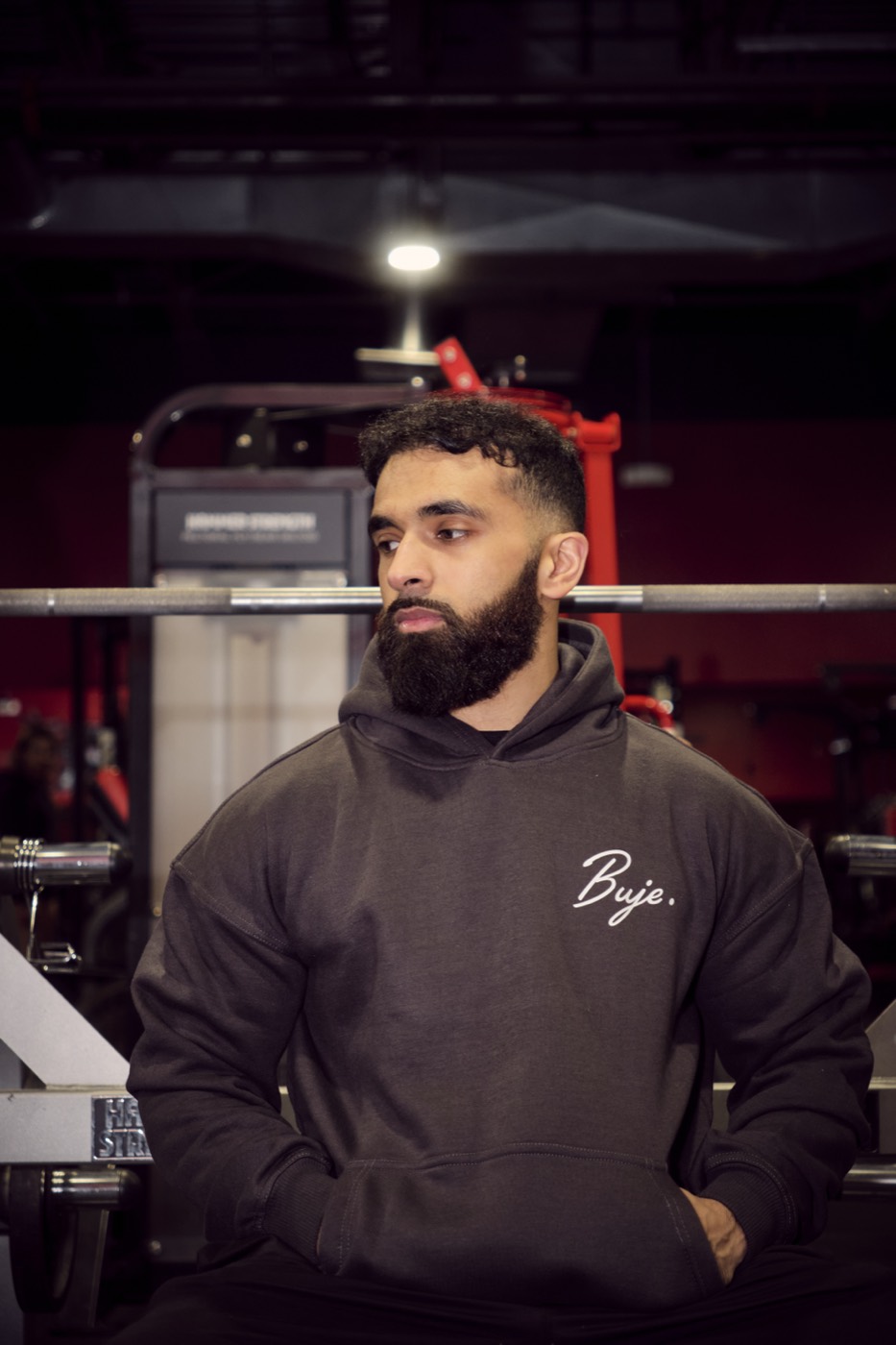
Shot by @sv_media_co